Artikel 24 Jun 2026, 06.46
Electronic Price Tag, Benarkah Ini Masa Depan Sistem Harga Retail Modern?
Kenapa Retail Mulai Beralih ke Electronic Price Tag?
Electronic Price Tag membantu toko mengubah harga produk secara digital tanpa cetak label manual.
Perubahan harga bisa dilakukan dalam hitungan detik sampai menit dari sistem pusat.
Cocok untuk supermarket, minimarket, toko elektronik, apotek, warehouse, dan showroom retail.
Risiko beda harga antara rak dan kasir bisa ditekan karena data harga tersinkronisasi.
Untuk implementasi retail modern, pengadaan sistem dan software pendukung sebaiknya melalui beli software original.
Bagaimana Electronic Price Tag Mengubah Operasional Retail?
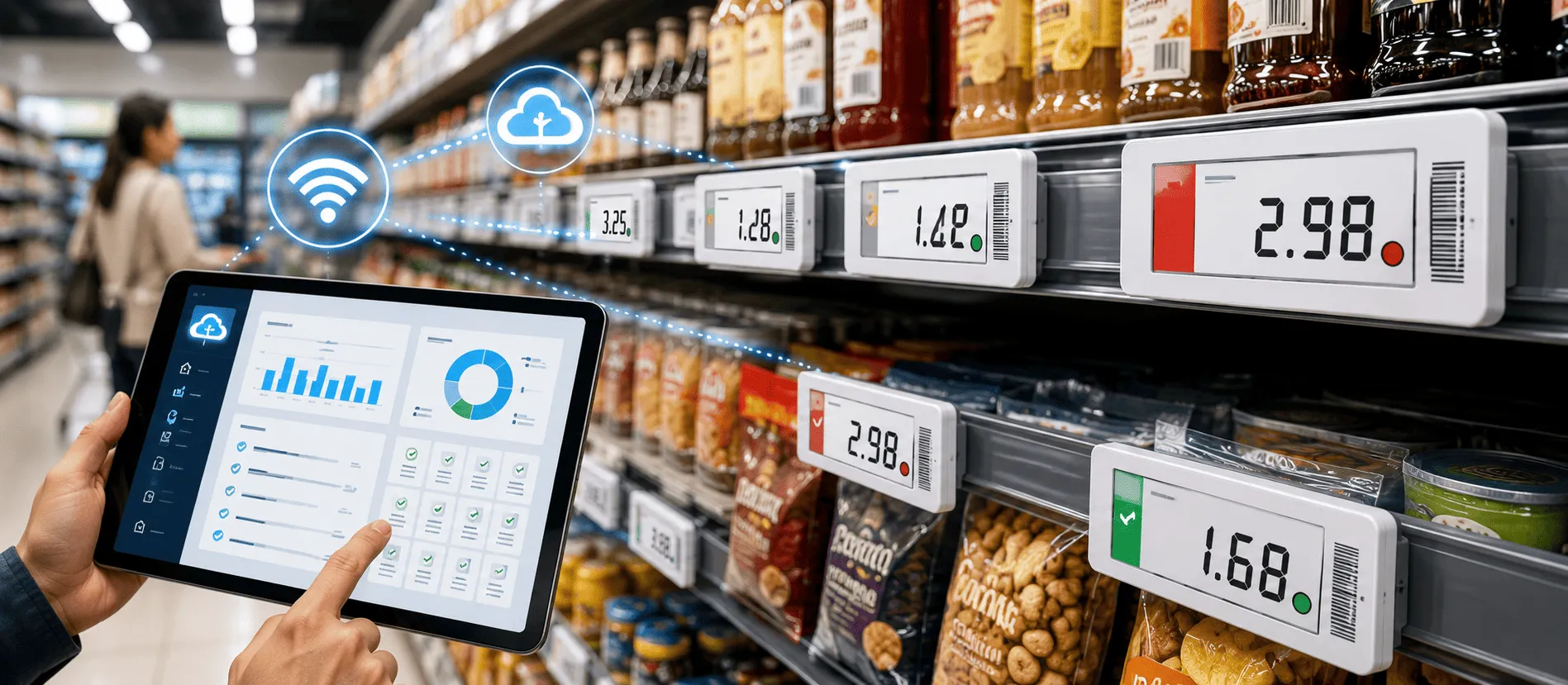
Electronic Price Tag atau ESL adalah label harga digital yang menggantikan kertas harga konvensional di rak toko. Secara teknis, sistem ini bekerja dengan menghubungkan database harga, software manajemen, control unit, dan perangkat label elektronik di area display produk.
Dalam operasional retail, perubahan harga adalah pekerjaan yang terlihat kecil tetapi sangat memakan waktu. Bayangkan satu supermarket memiliki 1.000–10.000 SKU. Jika ada promo mingguan, perubahan harga supplier, atau update stok, tim harus mencetak label baru, memotong, mencari rak produk, lalu mengganti label satu per satu. Proses ini bisa memakan waktu berjam-jam bahkan lebih dari 1 hari kerja.
Dengan Electronic Price Tag, perubahan harga dapat dikirim dari sistem pusat ke seluruh label secara digital. Tim hanya perlu update data di software, lalu harga di rak mengikuti perubahan tersebut. Ini membuat proses pricing lebih cepat, lebih akurat, dan lebih mudah diaudit.
Dalam pengalaman implementasi retail, masalah yang sering muncul bukan hanya lambatnya update harga, tetapi ketidaksesuaian antara harga di rak dan harga di kasir. Ketika pelanggan melihat harga Rp29.900 di rak, tetapi kasir membaca Rp34.900, komplain hampir pasti terjadi. Electronic Price Tag mengurangi risiko tersebut karena harga dapat ditarik dari satu sumber data yang sama.
Dari sisi teknis, sistem ESL biasanya terdiri dari:
Label elektronik berbasis e-ink
Control unit atau gateway
Software price management
Database produk
Integrasi dengan POS atau ERP
E-ink menjadi pilihan umum karena hemat daya dan tetap mudah dibaca seperti kertas. Beberapa model bahkan dapat menampilkan warna hitam, putih, dan merah untuk menandai promo. Baterainya bisa bertahan hingga beberapa tahun, tergantung frekuensi update harga dan jenis perangkat.
Untuk retailer yang memiliki banyak cabang, manfaatnya lebih besar. Head office dapat mengatur harga nasional, harga per region, atau promo khusus cabang tertentu. Dengan sistem manual, koordinasi seperti ini rawan terlambat. Dengan ESL, update bisa dibuat lebih terpusat dan konsisten.
Namun, Electronic Price Tag bukan hanya soal hardware. Software pengelola harga menjadi komponen penting. Tanpa software yang stabil dan legal, integrasi harga bisa bermasalah. Karena itu, perusahaan disarankan melakukan pengadaan melalui beli software original agar lisensi, support, dan update sistem lebih aman.
Dari sisi efisiensi, ESL paling terasa pada toko dengan jumlah SKU besar dan frekuensi perubahan harga tinggi. Misalnya supermarket, toko retail elektronik, farmasi, dan toko perlengkapan rumah tangga. Jika harga berubah setiap minggu atau bahkan setiap hari, penghematan waktu operasional bisa sangat signifikan.
Electronic Price Tag juga mendukung strategi dynamic pricing. Retailer dapat menyesuaikan harga berdasarkan stok, periode promo, demand, atau campaign tertentu. Contohnya, produk fast moving bisa diberi promo harian, sementara produk slow moving bisa diturunkan harga secara terjadwal. Semua ini lebih mudah dilakukan jika sistem harga sudah digital dan terhubung.
Checklist Sebelum Menggunakan Electronic Price Tag
Hitung jumlah SKU aktif dan jumlah label yang dibutuhkan.
Cek luas area toko untuk menentukan kebutuhan gateway atau control unit.
Pastikan sistem dapat terhubung dengan POS, ERP, atau database produk.
Pilih label dengan tampilan e-ink yang jelas dan hemat daya.
Tentukan apakah perlu warna tambahan untuk promo.
Siapkan SOP update harga dari head office ke cabang.
Pastikan tim operasional mendapat training penggunaan sistem.
Gunakan software dan lisensi resmi melalui beli software original.
Uji coba di 1 area toko sebelum implementasi penuh.
Pantau akurasi harga rak dan kasir selama 30 hari pertama.
FAQ
1. Apa itu Electronic Price Tag?
Electronic Price Tag adalah label harga digital yang digunakan untuk menampilkan harga produk di rak toko secara elektronik.
2. Apa bedanya dengan label harga kertas?
Label kertas harus diganti manual, sedangkan Electronic Price Tag bisa diperbarui dari sistem secara digital.
3. Apakah Electronic Price Tag cocok untuk semua toko?
Paling cocok untuk toko dengan banyak SKU dan harga yang sering berubah, seperti supermarket, minimarket, apotek, dan toko elektronik.
4. Apakah Electronic Price Tag bisa terhubung ke POS?
Ya. Sistem ESL biasanya bisa diintegrasikan dengan POS, ERP, atau database produk agar harga tetap sinkron.
5. Berapa lama baterai Electronic Price Tag bertahan?
Tergantung model dan frekuensi update harga. Banyak perangkat e-ink dirancang untuk bertahan beberapa tahun.
6. Apakah sistem ini bisa dipakai untuk promo?
Bisa. Beberapa label mendukung warna tambahan seperti merah untuk menandai diskon atau promo khusus.
7. Apakah Electronic Price Tag mengurangi komplain pelanggan?
Ya, karena risiko beda harga antara rak dan kasir bisa ditekan jika sistem harga tersinkronisasi.
8. Apakah implementasinya sulit?
Tidak sulit jika data produk sudah rapi. Tantangan utama biasanya ada pada integrasi POS, mapping SKU, dan penempatan label.
9. Kenapa harus menggunakan software resmi?
Karena sistem harga menyangkut operasional toko. Dengan beli software original, perusahaan mendapat lisensi legal, update resmi, dan support teknis yang lebih jelas.
10. Apa rekomendasi final untuk retail modern?
Jika toko memiliki banyak SKU, sering mengubah harga, dan ingin mengurangi pekerjaan manual, Electronic Price Tag adalah investasi yang layak. Agar implementasi berjalan aman, gunakan sistem dan software resmi melalui beli software original.
Artikel Terkait
Baca Juga Informasi Menarik Lainnya dari Kami

Umum
Grammarly, Tableau, dan Sketch: 3 Software Produktivitas yang Wajib Dimiliki Profesional Kreatif
Dalam dunia profesional kreatif, penggunaan software produktivitas yang tepat sangat menentukan keberhasilan sebuah proy...

Umum
Batasan Automation di Smartsheet Business Plan
Smartsheet Business Plan menjadi pilihan banyak perusahaan yang ingin meningkatkan efisiensi kerja melalui automasi alur...

Umum
Kisah Tokoh Hacker Paling Terkenal di Dunia – Apa yang Terjadi pada Mereka Sekarang?
Dunia peretasan telah melahirkan beberapa tokoh yang namanya begitu terkenal, baik karena keterampilan teknis yang menga...
Dapatkan Konsultasi Gratis
Diskusikan sekarang juga kebutuhan IT perusahaan Anda dengan customer support kami di
+62 822 9998 8870


